 A Y'all Too Discovery Adventure
KETCHUP & COPPER
THE GREAT CLEANING MYSTERY!
One accidental squeeze. Twenty forgotten minutes. One unexpected discovery. What happens when ketchup meets tarnished copper?
Stage 1
The Discovery
How an accidental ketchup spill led to a surprising observation.
My Unexpected Observation
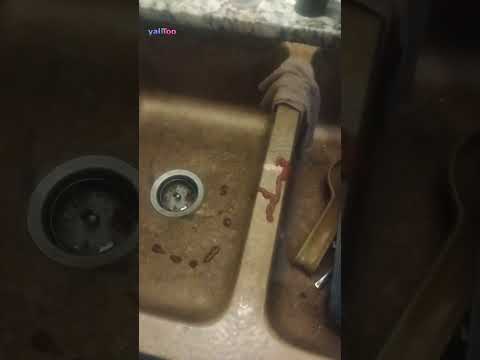
I was making a burger and fries. Before putting ketchup on my burger, I squeezed the first bit into my copper sink because I didn't want the watery ketchup to get on my bread or burger patty.
I accidentally left it there for about 20 minutes.
When I returned and rinsed the ketchup away, the spots where the ketchup had dripped looked clean and shiny. I had not wiped or scrubbed those spots.
That unexpected observation made me curious: could ordinary ketchup help remove tarnish from copper?
Ketchup contains acidic ingredients that may react with some tarnished copper surfaces, but this is based on a single accidental observation — not a controlled scientific study. Results may vary by material, finish, and ketchup brand.

Video Evidence
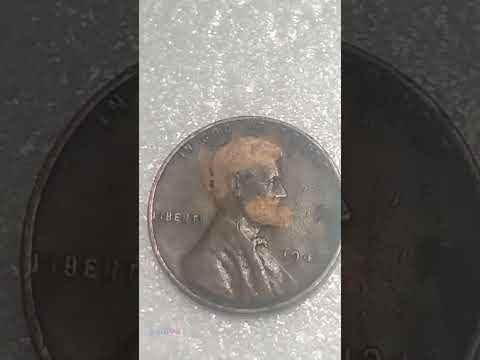
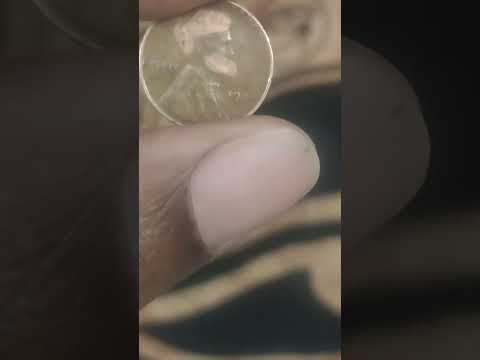
See What Happened
Watch real experiments testing whether ketchup can clean tarnished copper.

Stage 2
Make Your Prediction
Before trying the experiment, put on your scientist hat and make a prediction.
What do you predict will happen when ketchup sits on a tarnished copper surface for 20 minutes?
Great prediction! The acids in ketchup (acetic acid from vinegar and citric acid from tomatoes) may dissolve copper oxide tarnish, potentially revealing cleaner copper beneath. Results can vary depending on the surface and conditions.
Not quite! The acids in ketchup (acetic acid from vinegar and citric acid from tomatoes) may dissolve copper oxide tarnish. The tarnish can break down into soluble salts that rinse away with water — though results vary depending on the surface and conditions.
Stage 3
The Ketchup Challenge
Follow these five steps to run your own ketchup-and-copper experiment.
-
Gather Your Materials
You need: a bottle of ketchup, a copper item (penny, jewelry, or small copper piece you own), paper towels, a camera or phone, and a timer.
-
Document the Before
Take a clear, well-lit photograph of the tarnished copper surface. Note the lighting conditions and camera angle so you can replicate them later.
-
Apply Ketchup & Wait
Apply a small amount of ketchup to a test area. Set a timer for 20 minutes. Record the ketchup brand and variety you used.
-
Rinse & Observe
When the timer goes off, rinse the area with water only — do not scrub. Observe carefully: did the surface change? Look the same? Something unexpected?
-
Document the After
Photograph the tested area under the same lighting and at the same angle as your before photo. Compare the two images side by side. Record your honest findings.
Experiment Complete!
You've followed the scientific method: observe, hypothesize, test, and record. Share your results with the community!
Safety Notice: This experiment uses ordinary household ketchup. Do not mix ketchup with cleaning chemicals. Test only on items you own and have confirmed are solid copper. Do not use on collectible coins, plated items, lacquered surfaces, or items with gemstones. Always check manufacturer care instructions first. Results may vary. This is an observation-based activity, not a scientifically proven cleaning method.
Stage 4
Y'all Too Science Lab
Discover the chemistry behind this surprising observation.
Acetic Acid (Vinegar)
Ketchup contains vinegar, which is acetic acid. This weak acid may dissolve copper oxide — the dark tarnish that forms on copper surfaces over time.
Citric Acid (Tomatoes)
Tomatoes are naturally acidic, containing citric acid. Working alongside the vinegar, this provides a second pathway that may help break down copper tarnish.
The Chemical Reaction
When these acids contact copper oxide (CuO), they can break it into soluble copper salts that rinse away with water — potentially revealing the cleaner copper underneath.
Featured on Y'all Too Radio
Y'all Too Radio: The Ketchup Episode
Hear the full story, the science behind it, and what the community is discovering.
Test Your Knowledge
The Ketchup & Copper Discovery Quiz
See how much you've learned about the science behind this surprising discovery.
Question 1 of 3
What ingredients in ketchup may help clean copper tarnish?
Correct! Acetic acid from vinegar and citric acid from tomatoes are the key ingredients that may react with copper oxide tarnish.
Not quite. The acids in ketchup — acetic acid from vinegar and citric acid from tomatoes — are what may react with the copper oxide tarnish.
Question 2 of 3
What is the dark coating on tarnished copper primarily made of?
Correct! Copper tarnish is primarily copper oxide (CuO) and copper carbonate, formed when copper reacts with oxygen and carbon dioxide in the air.
Not quite. Copper tarnish is primarily copper oxide (CuO) and copper carbonate — not rust, which is iron oxide. Copper and iron oxidize differently.
Question 3 of 3
In the original observation, approximately how long was ketchup left on the copper sink?
Correct! The ketchup was accidentally left on the copper sink for approximately 20 minutes before being rinsed away.
The ketchup was accidentally left for about 20 minutes. It wasn't planned — it happened while making a burger and fries!
0/3
Questions answered correctly
Stage 5
Stay Curious.
Stay Curious.
Keep Discovering!
Every great discovery begins with a question. Make a prediction, test your ideas, and see what you discover.
Your Achievements
Ketchup Investigator
Submit a prediction
Copper Detective
Complete all 5 steps
Chemistry Challenger
Answer all 3 quiz questions
Discovery Champion
Complete all activities
A Y'all Too Discovery Project